Modular construction has rapidly evolved from a niche approach to a mainstream methodology, reshaping how we think about building homes, offices, schools, and hospitals. Despite its growing popularity, several misconceptions persist that cloud judgment and hinder adoption. In this article, we’ll explore and dispel the most common myths about modular construction, then delve into the tangible benefits and emerging trends that make it one of the most promising solutions for today’s—and tomorrow’s—building challenges.
Myth 1: Modular Buildings Are Inferior in Quality
The Myth
Some believe that because modular structures are built off-site, they must be “cookie-cutter” or of lower quality than site-built buildings. The assumption is that speed sacrifices craftsmanship.
The Reality
Factory-controlled conditions often produce a higher level of consistency and quality than traditional on-site construction. These indoor manufacturing environments shield modules from rain, wind, extreme temperatures, or curious wildlife that might compromise materials. Skilled workers follow strict processes, using computer-guided tools and quality-control checklists that mirror or exceed the standards of a conventional build.
- Precision and Tolerances: Advanced Computer Numerical Control (CNC) machines cut and shape components to exact specifications, reducing the margin of error to mere millimeters.
- Third-Party Inspections: Many modular manufacturers employ independent code officials to inspect modules at multiple stages—foundation, framing, mechanical-electric-plumbing (MEP) rough-in, and finish work—before modules ever reach the site.
- Consistent Materials: Lumber, steel, drywall, and other materials are stored indoors, preventing warping, moisture damage, or pest infestations that can occur on exposed job sites.
Example
A recent study by the Modular Building Institute found that over 70% of defects detected in newly constructed buildings can be traced back to environmental factors or human error on the job site. In modular facilities, these issues drop below 20% because of controlled manufacturing and standardized processes.
Myth 2: Limited Design and Customization Options
The Myth
Critics often claim “modular” equals “monotony”—as if every modular building must conform to a boxy, factory-limited aesthetic with few options for differentiation.
The Reality
Today’s modular buildings offer vast design flexibility. Using Building Information Modeling (BIM) and 3D CAD (Computer-Aided Design), architects can create highly customized facades, varied floor plans, and unique interior finishes that rival site-built homes in individuality. Whether you want angled walls, vaulted ceilings, large glass curtain walls, or custom elevations, modern modular manufacturers can accommodate almost any architectural requirement.
- Architect-Driven Design: Architects collaborate from day one, designing modules that integrate seamlessly on-site. This partnership ensures that unconventional shapes, material selections, and even green roofs are achievable.
- Mix-and-Match Modules: Modules can be stacked, rotated, offset, or merged to create courtyards, atriums, and multi-story complexes.
- Facade Variety: Siding choices, such as brick veneer, fiber cement, wood planks, or metal panels, are applied off-site, so when modules arrive, the building’s exterior looks complete and unique.
Example
A luxury apartment complex in Seattle employed nearly 12 distinct module layouts across its 200-plus units. Each block had its own balcony style, window size, and cladding combination. The result was a visually diverse streetscape that few could distinguish from a purely site-built development.
Myth 3: Modular Buildings Are Temporary or Low-End
The Myth
Many assume modular equals “temporary office trailer” or “budget apartment”—a stopgap solution rather than a permanent, high-value asset.
The Reality
Nothing could be further from the truth. Modular buildings are designed—and often built—to the same codes and engineering standards as traditional construction, making them fully permanent and long-lasting. If properly maintained, a modular structure’s lifespan can match or exceed that of a poured-concrete counterpart.
- High-End Applications: From five-star hotels to medical centers, modularization has been widely adopted for buildings that require exceptional durability and tenant comfort.
- Longevity: Steel-framed modular units resist rot, pests, and moisture, leading to fewer structural concerns over decades.
- Resale and Reuse: Because modules can be disassembled and relocated, they often hold residual value beyond the original site. This mobility can translate into higher return on investment (ROI) for building owners.
Example
A renowned university in California constructed a permanent student housing tower entirely with modular methods. After seven years of continuous occupancy, the building underwent a cosmetic refresh and was still structurally sound, receiving the same seismic and energy-efficiency certifications as newly built neighboring structures.
Myth 4: Modular Construction Is Only Suitable for Small Projects
The Myth
It’s often said that modular construction is only feasible for small-scale endeavors, such as single-family homes, small offices, or single-floor additions.
The Reality
Modular construction scales from tiny homes to multi-floor commercial towers, thanks to advanced engineering and load analysis software. Today, high-rise projects exceeding 20 stories have been completed using modular techniques, proving that scale is no barrier.
- Multi-Story Expertise: Harnessing cold-formed steel or structural steel frames within modules, factories produce units that interlock and support one another for tall buildings.
- Mixed-Use Skyscrapers: Some urban developers combine modular residential floors atop a traditionally constructed podium (lobby and retail). This hybrid approach speeds up residential delivery while accommodating heavier loads where needed.
- Bridging Infrastructure: From modular hospitals in remote areas to multi-block student housing near major universities, factory-built modules can be shipped worldwide and installed rapidly at scale.
Example
In New York City, a developer completed a 29-story hotel in under 12 months using modular construction. At the time, it was the tallest modular hotel globally, demonstrating that complexity and scale aren’t limitations when the right processes and supply chains are in place.
Myth 5: Modular Buildings Depreciate Faster
The Myth
Because modules can be relocated or are “factory-built,” some believe modular properties will depreciate rapidly compared to permanent on-site builds.
The Reality
A building’s value is determined by factors such as location, amenities, design quality, and market demand, rather than the method of construction alone. If a modular building meets the same standards for energy performance, safety, and comfort as a traditional build, it can maintain and often increase its value over time.
- Comparable Appraisals: Appraisers typically view modular structures in the same category as site-built homes if they are permanently affixed to a foundation.
- Longevity Equals Stability: Modern modular designs use robust materials, such as cold-formed steel framing, high-grade insulation, and durable cladding, ensuring long lifespans comparable to concrete.
- Market Perception Evolving: With growing awareness about sustainability, efficiency, and quality control, buyers and investors increasingly see modular homes and offices as premium, rather than second-tier, options.
Example
In Portland, Oregon, a four-year-old modular office campus sold for nearly 15% above its original construction cost, outpacing appreciation rates of comparable conventionally built properties in the same district.
The Business Case for Modular Construction
Faster ROI
By compressing construction schedules by up to 50%, modular projects generate rental income or operational revenues months earlier than traditional timelines. Developers can lease or operate a facility, or sell units, without waiting for months (or years) of on-site work.
Reduced Risk
Weather delays, labor shortages, and fluctuating material prices represent constant uncertainties in conventional builds. Modular factories use just-in-time inventory and controlled labor forces, minimizing these risks. Developers benefit from more predictable budgets and timelines.
Enhanced Safety & Less Disruption
Moving the bulk of construction off-site reduces on-site hazards—fewer heavy lifts, less exposure to changing weather, and limited traffic around occupied neighborhoods. This translates to fewer accidents and minimal disruption to surrounding communities.
Environmental Impact
Factory precision equals up to 90% less material waste compared to site-built processes. Additionally, shorter timelines mean fewer idling machines on-site, further decreasing carbon emissions. These factors contribute to improved LEED or WELL ratings, appealing to eco-conscious investors and tenants.
Conclusion
Modular construction is not a fad; it’s a forward-looking solution designed to address the pressures of modern development: tight schedules, budget constraints, stringent sustainability goals, and evolving market demands. By debunking myths surrounding quality, design flexibility, permanence, scale, and depreciation, we see how modular truly unlocks a new era of architectural innovation and business efficiency.
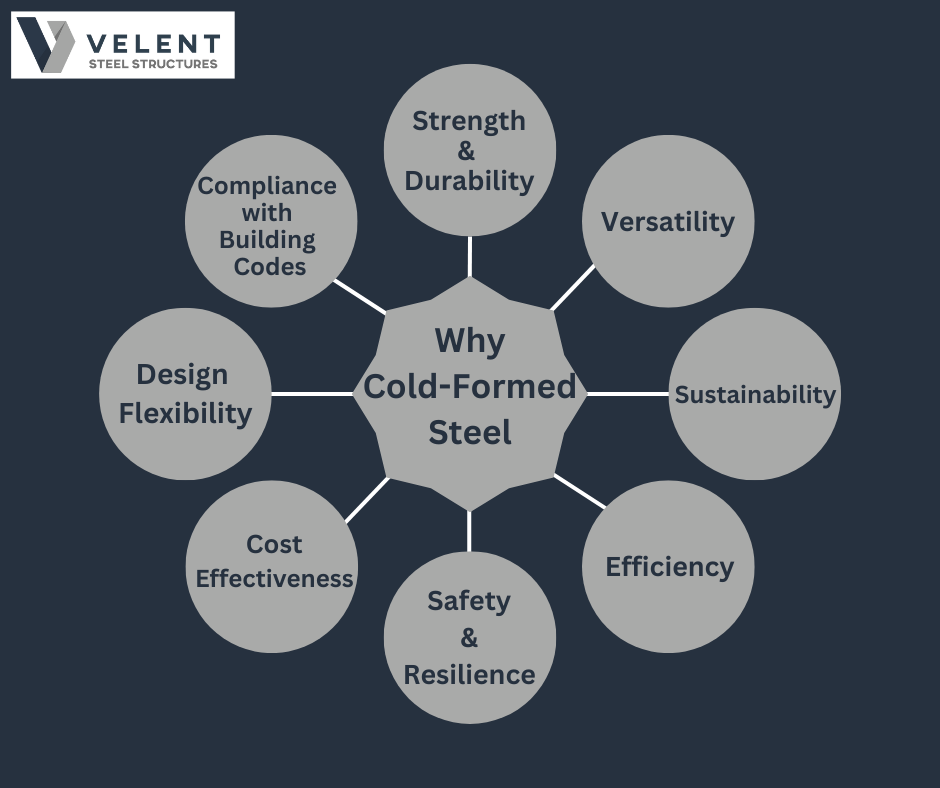
As more developers and architects embrace modular methods, particularly those leveraging advanced cold-formed steel framing and robust factory workflows, the industry will continue to push boundaries. The next time you weigh your construction options, remember that modular isn’t just an alternative; it may well be the best choice for delivering projects on time, on budget, and to the exacting standards of today’s stakeholders.
Ready to explore a modular solution for your next project?
Reach out to our team of experts to learn how modular construction can transform your vision into reality, faster, smarter, and more sustainably than ever before.