Urban developers are under growing pressure to deliver housing that is affordable, durable, and fast to build. Traditional construction struggles to keep up with rising land costs, labor shortages, and the need for scalable solutions. Cold-formed steel paired with modular construction helps developers overcome many of these hurdles. It introduces speed, precision, and predictable costs without compromising structural performance.
This blog explores how both elements work together to support modern urban housing needs and what developers can do to use these systems more efficiently.
Why Cold-Formed Steel Works for Urban Housing
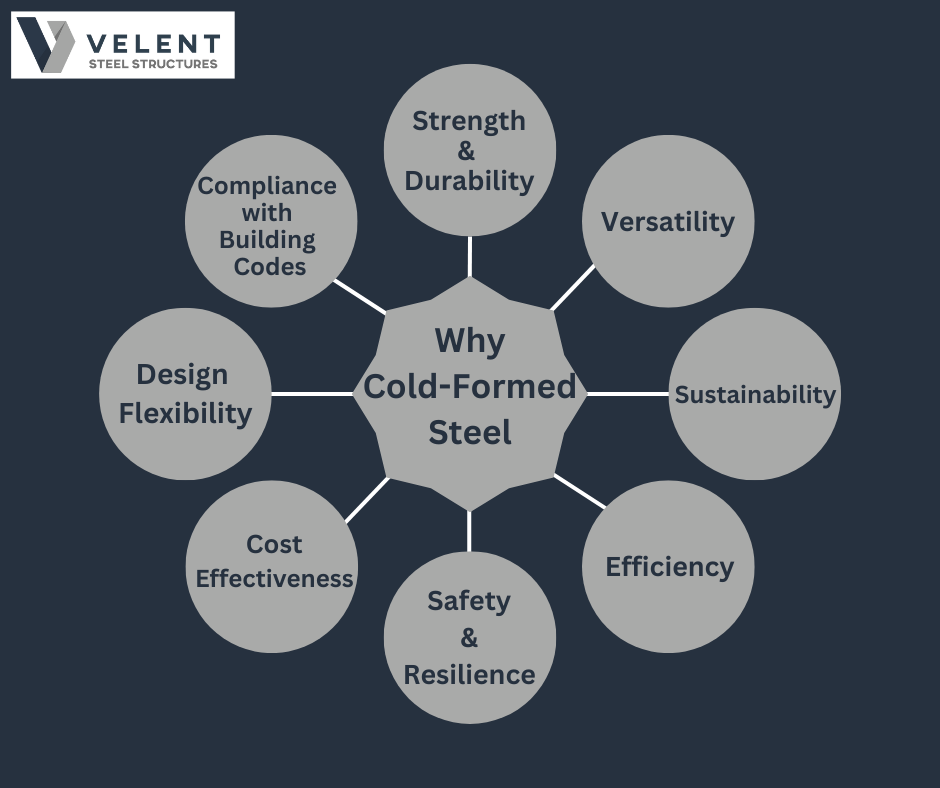
Cold-formed steel (CFS) has become one of the most practical materials for modular housing in dense city environments. It is lightweight, strong, recyclable, and stable over time. Its consistency allows modules to be manufactured with tight tolerances, which is critical when stacking multiple stories or installing units in constrained areas.
Urban developers are increasingly leaning toward CFS because it fits into narrow sites, accelerates offsite production, and helps maintain cost control throughout the project lifecycle. When combined with modular construction, the result is a more reliable, repeatable, and scalable approach to affordable housing.
Cost-Effective Strategies for Affordable Urban Development
Developers looking to maximize project value while keeping housing affordable can benefit from adopting targeted strategies that make the most of cold-formed steel and modular workflows.
Standardized Module Designs for Repeatability
Standardization helps teams reduce design time, create predictable module families, and lower overall manufacturing costs. Once a base module layout is established, it can be repeated across multiple buildings or phases. Using CFS allows these standardized modules to maintain consistent quality even at scale. The material behaves consistently in every production run, which helps factories maintain efficiency and minimize waste.
Lean Manufacturing for Faster Turnaround
Prefabrication facilities can adopt lean practices to streamline panel production and assembly of roofs or floors. Cold-formed steel supports this well because it can be roll-formed, punched, and assembled with high accuracy. Lean workflows reduce excess material, minimize labor requirements, and shorten the time between module design and delivery. This directly lowers cost per unit and supports rapid housing deployment in cities where timelines are tight.
Optimizing Structural Layouts for Lower Material Use
CFS offers high strength-to-weight performance, which allows engineers to reduce unnecessary members, eliminate overdesign, and rely on efficient load paths. Advanced modeling tools can further refine layouts to cut down steel consumption without affecting safety. Efficient framing layouts help developers reduce unit prices while supporting sustainability goals. Lower material usage also shortens production cycles and reduces handling time during installation.
Multi-Story Stacking for High-Density Sites
Urban spaces demand smarter land use. CFS modular systems allow buildings to be stacked several stories high with predictable performance and minimal structural movement. This approach unlocks more units on the same plot of land, making the project more cost-effective. It also reduces the need for heavy foundations and complex load-bearing elements, which keeps upfront costs under control.
Controlled Offsite Production to Avoid Onsite Delays
Weather delays, labor shortages, and overcrowded job sites are major cost drivers in urban construction. Offsite production in controlled environments removes many of these uncertainties. Modules built from CFS are protected from moisture, temperature changes, and site disruptions. This ensures more consistent quality, lowers rework, and reduces the overall timeline of the project.
Advantages of Cold-Formed Steel Modular Housing
Cold-formed steel modular systems give developers a practical way to balance affordability with performance. The benefits extend across design, manufacturing, installation, and long-term maintenance. Here is a closer look at the key advantages.
- Faster Construction Timelines: Speed is often the biggest advantage. CFS modules can be manufactured while site preparation is still underway, which compresses the schedule significantly. Once the foundation is ready, modules are installed quickly with minimal onsite labor. This accelerated workflow keeps costs predictable and helps developers launch housing projects sooner.
- Greater Long-Term Durability: Cold-formed steel does not warp, rot, or attract pests. It remains stable over time, which makes it ideal for multi-story urban housing. Its resistance to moisture and fire contributes to safer, longer-lasting homes. This durability reduces repair costs for building owners and supports more sustainable project lifecycles.
- Strong Alignment With Sustainability Goals: CFS is made from recycled steel and can be recycled again at the end of a building’s life. Modular construction reduces waste, supports circularity, and limits material use through more efficient designs. Developers looking to meet green building standards find CFS modular systems particularly beneficial in this regard.
- Precision and Quality Control: All modules are produced in factory conditions where quality checks are consistent. This level of control ensures tighter connections, accurate dimensions, and fewer errors. High precision improves fit at the installation stage and reduces the need for onsite adjustments.
Challenges to Consider When Using CFS Modular Systems
While CFS modular construction offers clear value, it requires strong coordination and a disciplined workflow. Understanding these challenges helps teams avoid issues early.
- Design Coordination Across Teams: Architects, engineers, MEP specialists, and manufacturers must stay aligned from the start. Misalignment during early stages can lead to rework, cost increases, or delays. Investing in strong coordination tools and processes leads to smoother execution.
- Transport and Site Access Limitations: Urban sites often have limited access for trucks and cranes. This requires careful planning around delivery schedules, module sizes, and crane operations. Successful projects account for these constraints well in advance.
- Upfront Planning and Detailed Engineering: Modular workflows leave less room for changes once production begins. Teams need to finalize designs, review connections, and lock in module layouts early. This requires additional upfront engineering time but results in better long-term cost control.
- Factory Capacity and Skilled Labor Availability: The performance of modular projects depends heavily on the capabilities of the fabrication facility. Consistent output and trained staff are essential for maintaining quality and timelines. Strong partnerships with reliable factories help mitigate this challenge
Best Practices for Cost-Effective Urban Modular Projects
Developers who want predictable outcomes from CFS modular construction benefit from adopting disciplined practices throughout the project lifecycle. These practices support better coordination, smoother manufacturing, fewer onsite challenges, and stronger financial outcomes. When teams integrate these steps early and consistently, the entire workflow becomes more reliable and efficient.
- Start Coordination Early and Maintain It Throughout the Project: Early alignment among architects, structural engineers, MEP teams, and factory partners is essential. Modular projects move quickly once production begins, so every decision during the design phase must be clear and well-documented. Regular model reviews, shared data environments, and open communication prevent clashes and reduce rework. This level of coordination also improves the fit and finish of every module delivered to the site.
- Establish Clear Engineering Standards and Connection Details: Standardized engineering guidelines, proven connection details, and predictable load paths make the manufacturing process more efficient. Cold-formed steel behaves consistently, which allows teams to rely on repeatable details. When connection libraries, shop drawings, and approval workflows are clearly defined, fabrication teams work faster and produce modules with fewer errors.
- Build a Transparent Production and Delivery Schedule: Modular projects rely on steady factory output and well-planned logistics. A transparent production schedule helps teams anticipate lead times, align inspections, and prepare for transport. Regular updates between the project team and the factory ensure that modules arrive on time and in the right sequence. This coordination helps avoid stacking delays and reduces the cost of holding equipment and labor at the site.
- Use Rigorous Quality Control at Every Stage: Quality checks should not wait until modules reach the site. Instead, inspections must begin during design, continue through roll forming and assembly, and carry on during transport and installation. Cold-formed steel modules are built with tight tolerances, so catching small issues early prevents larger fit problems later. Structured QA processes reduce rework, protect timelines, and improve long-term building performance.
- Develop an Installation Plan That Matches Site Constraints: Urban sites often have limited access, narrow roads, and strict crane working hours. Installation success relies on a plan that considers module size, lifting points, staging areas, and delivery timing. Working closely with crane operators, logistics teams, and site supervisors ensures that every module is installed smoothly. Well-planned installation workflows reduce disruption, minimize idle time, and help keep costs on track.
- Maintain Strong Documentation and Change Management: Modular construction benefits from clear documentation because any change affects multiple modules. A structured approval system prevents unnecessary modifications during production. When teams document every detail, from specification updates to revised layouts, the factory can maintain accuracy and avoid the risk of producing outdated components.
- Build Long-Term Partnerships With Reliable Fabrication Facilities: Strong collaboration with experienced factories leads to better outcomes. These facilities understand cold-formed steel behavior, maintain consistent production quality, and operate with well-trained teams. Long-term partnerships help developers access more predictable pricing, better scheduling, and continuous process improvements.
Together, these best practices create a smoother path from concept to completion. They support faster installation, more consistent quality, and stronger financial control, which are essential for affordable urban development.
The Future of Affordable Urban Construction
Cold-formed steel modular construction offers developers a practical way to deliver affordable, high-quality housing in growing cities. Its speed, consistency, and long-term durability make it a strong fit for dense urban environments where space, time, and budgets are limited. When paired with early coordination, clear engineering standards, strong documentation, and disciplined quality control, these systems become even more powerful.
By adopting thoughtful planning and proven best practices, project teams can reduce uncertainty, manage costs with greater accuracy, and bring well-built homes to market faster. This approach not only supports more efficient construction but also creates scalable solutions that can help cities meet rising housing demands.
If you are exploring modular construction for your next urban development project, our team can help guide the process from design to delivery. Reach out to learn how we can support your goals.